Harnessing Advanced Physics to Shape Behavior and Drive Innovation
From fluid dynamics to thermodynamics and beyond, our unprecedented speed from concept to market sets new standards in material systems that influence behavior and performance.
For further information explore the links below
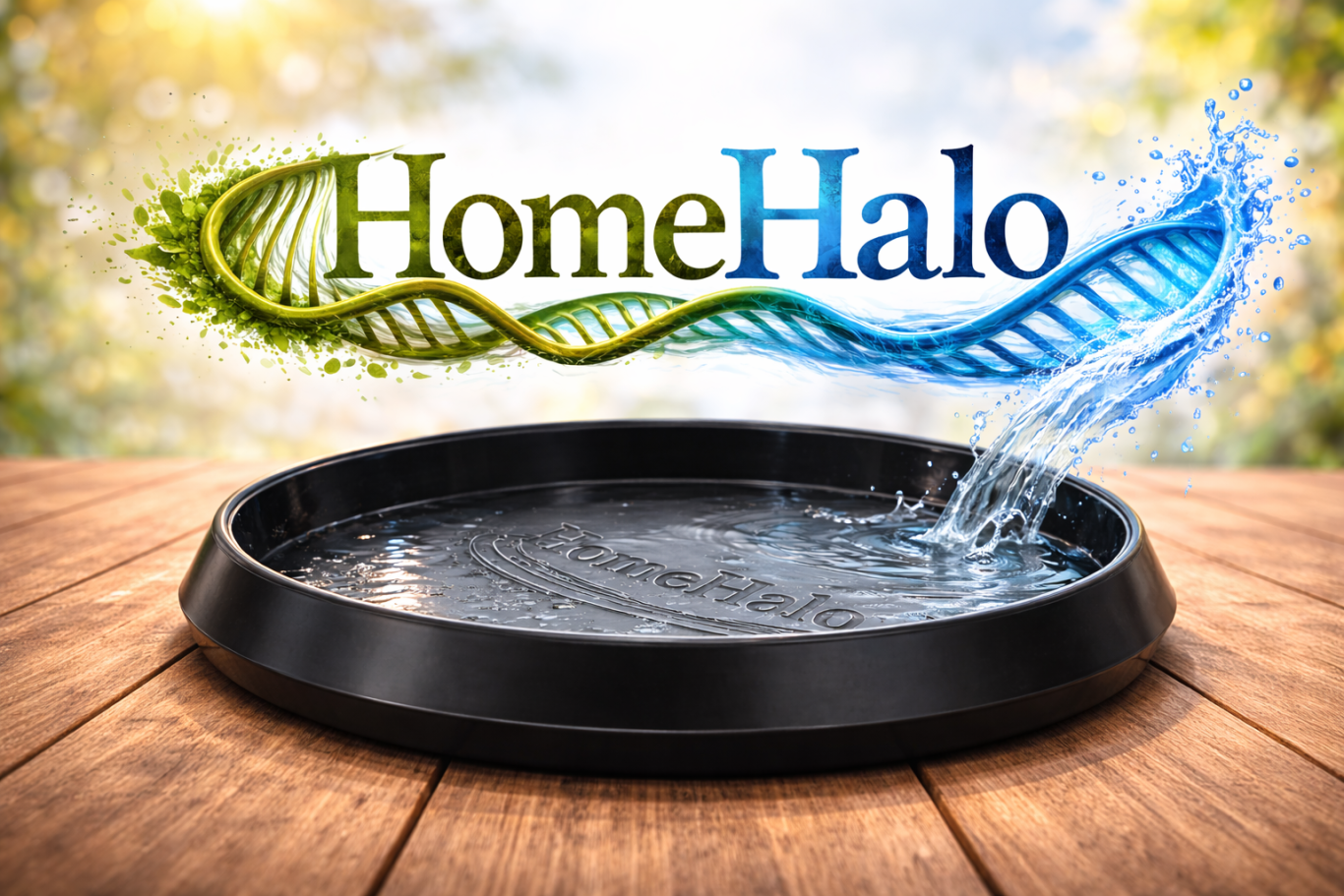

HomeHalo is more than a tray—it’s a smart solution for clean, safe, and hassle-free plant care & more.
HomeHalo’s patented design goes beyond traditional water catch trays. Unlike standard solutions that simply hold water, our innovative elevated ring system allows for controlled drainage, debris management, and splash deflection. The unique geometry creates a natural flow path that channels excess water away while preventing backflow, keeping your surfaces dry and clean.
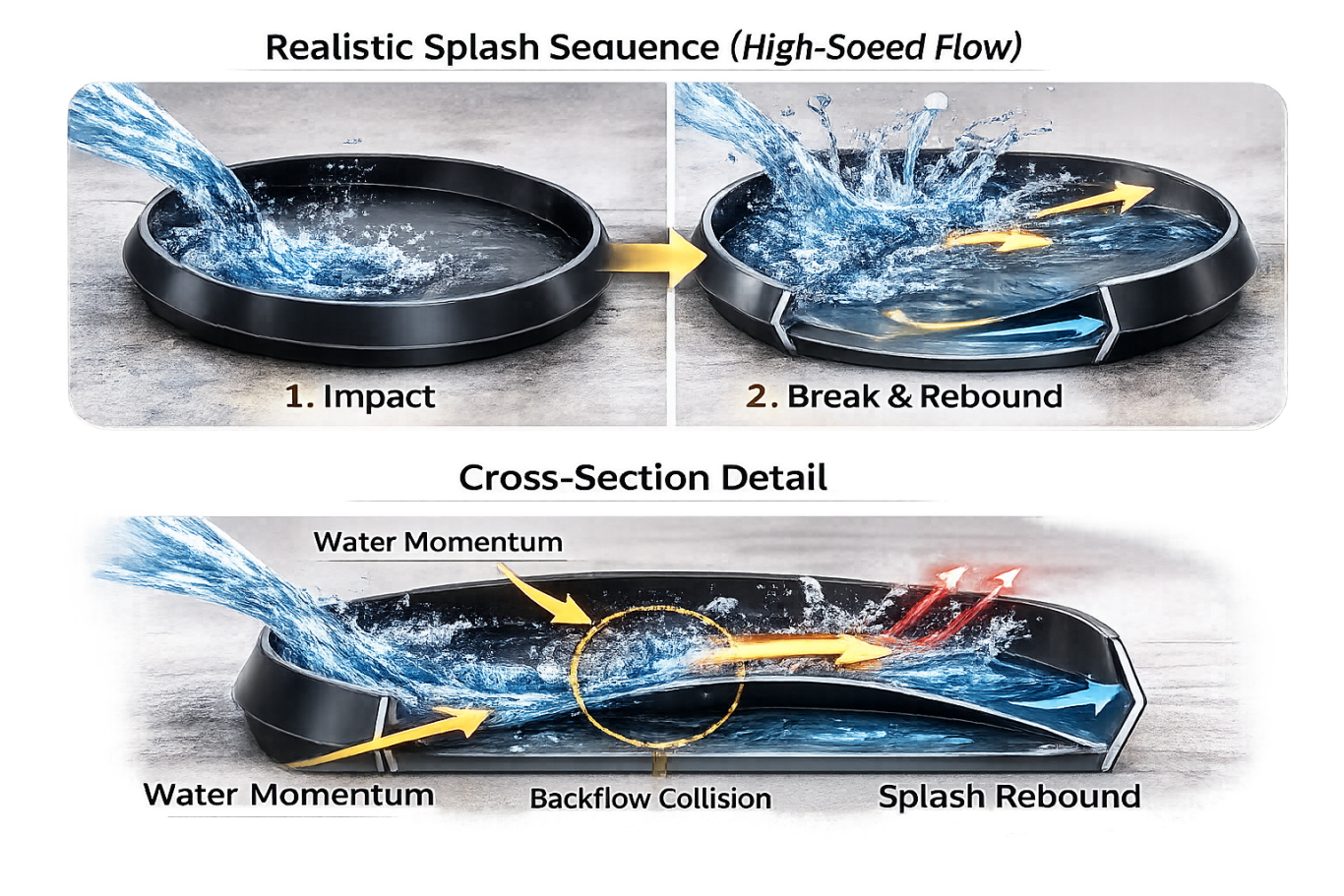
Why HomeHalo Is Better:
Spill-Resistant: Carefully engineered angles and elevation prevent overflows that plague conventional trays.
Splash-Resistant: Water and debris are managed dynamically, reducing accidental messes.
Patent-Pending Technology: Our system is the result of meticulous engineering, offering a level of protection and cleanliness unmatched by standard trays.

How It Works:
Water Momentum Control: Our design leverages the movement of water to guide it efficiently through the tray, reducing uncontrolled splashing.
Backflow Collision Management: Any rebound water is safely redirected, preventing messy spills or overflow.

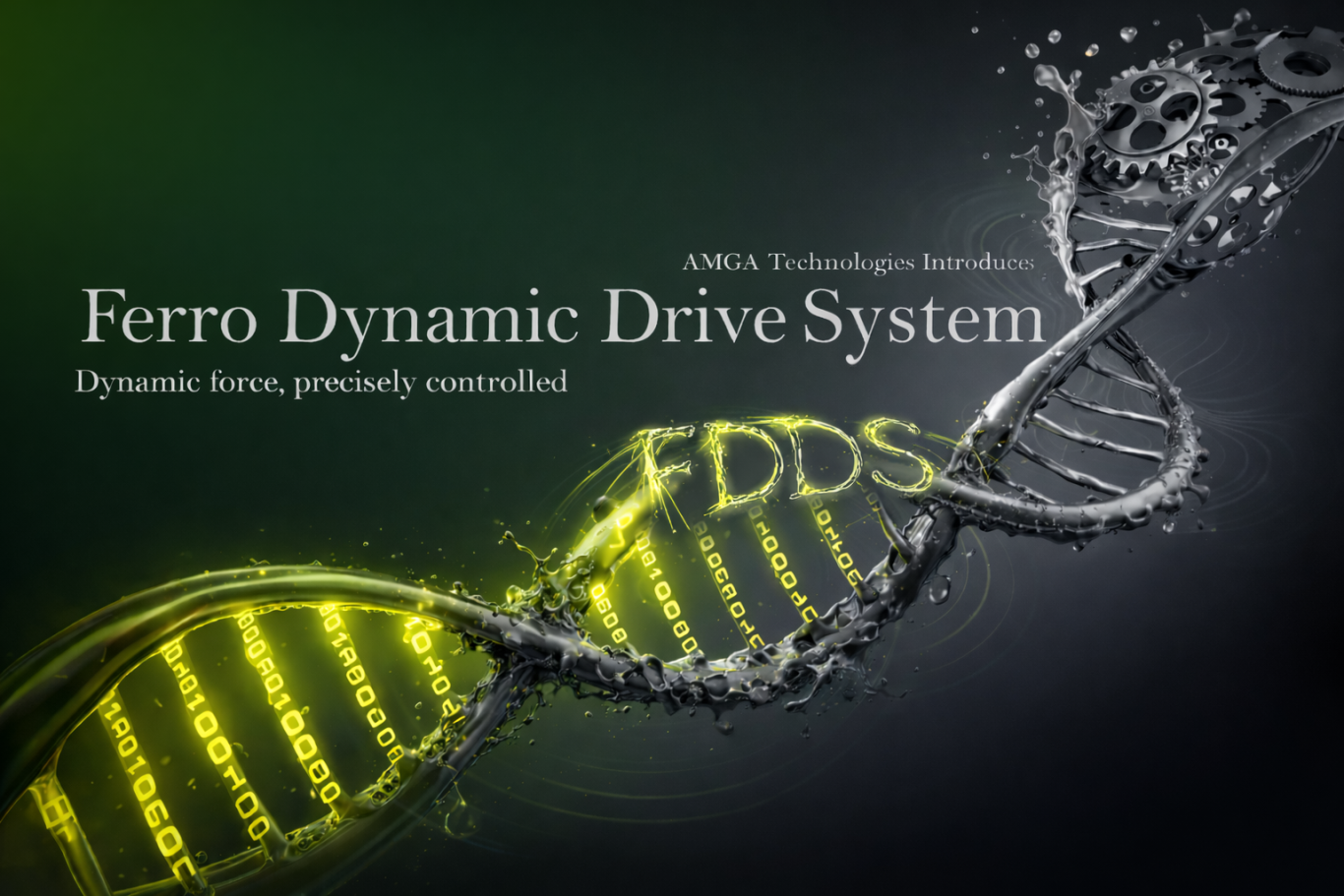
Harnessing controlled ferrofluid dynamics and magnetic torque to generate precise, directional energy transfer through hybrid DNA‑inspired torque channels.
FDDS channels magnetically-aligned ferrofluids along a DNA-inspired helical path, transforming controlled magnetic and fluid forces into precise mechanical motion. Binary-coded torque bridges guide the energy flow, creating a dynamic, responsive system that converts input power into targeted output efficiently — a programmable ribbon of energy in motion.


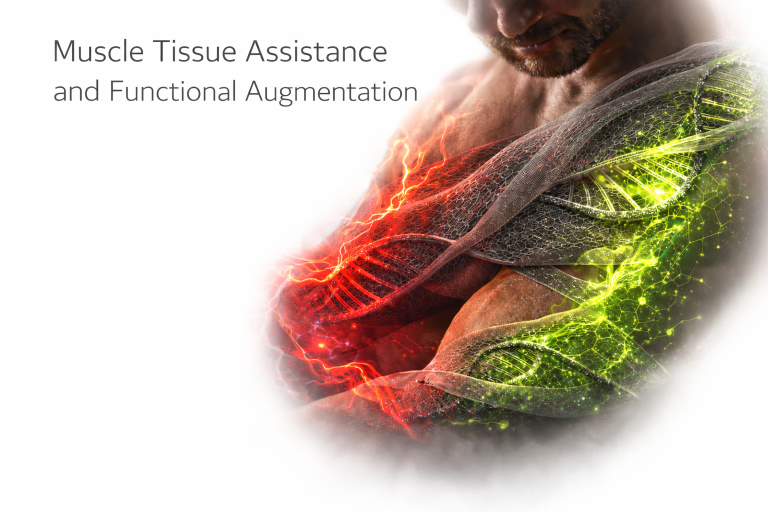
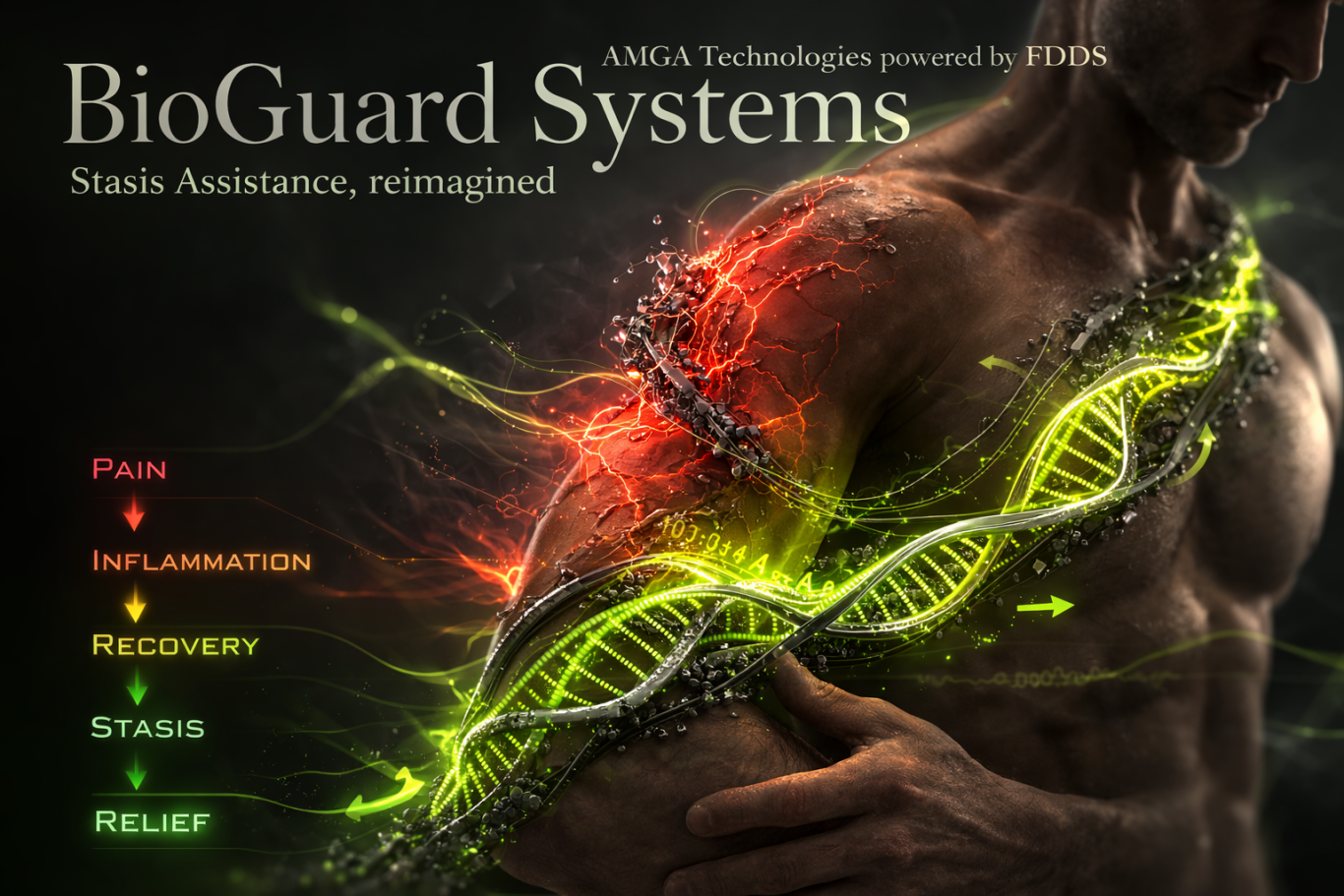
BioGuard uses FDDS principles applied to muscle assistance and rehabilitation systems, where partial force supplementation is desirable rather than complete mechanical substitution. In this context, ferrofluid-based actuation elements could be embedded within soft exoskeletal structures or wearable assistive devices. Such systems could function as artificial muscle analogs, generating force through controlled changes in fluid behavior under applied magnetic fields. Unlike pneumatic or hydraulic actuators, FDDS-based systems would not require high-pressure reservoirs or continuous fluid circulation, potentially simplifying device architecture and improving safety. Force output could be finely tuned in real time, allowing synchronization with natural muscle activation patterns and reducing the risk of over-assistance or muscle atrophy. This approach may be particularly relevant for rehabilitation following injury, neurological impairment, or degenerative conditions, where gradual, adaptive assistance is critical to recovery.